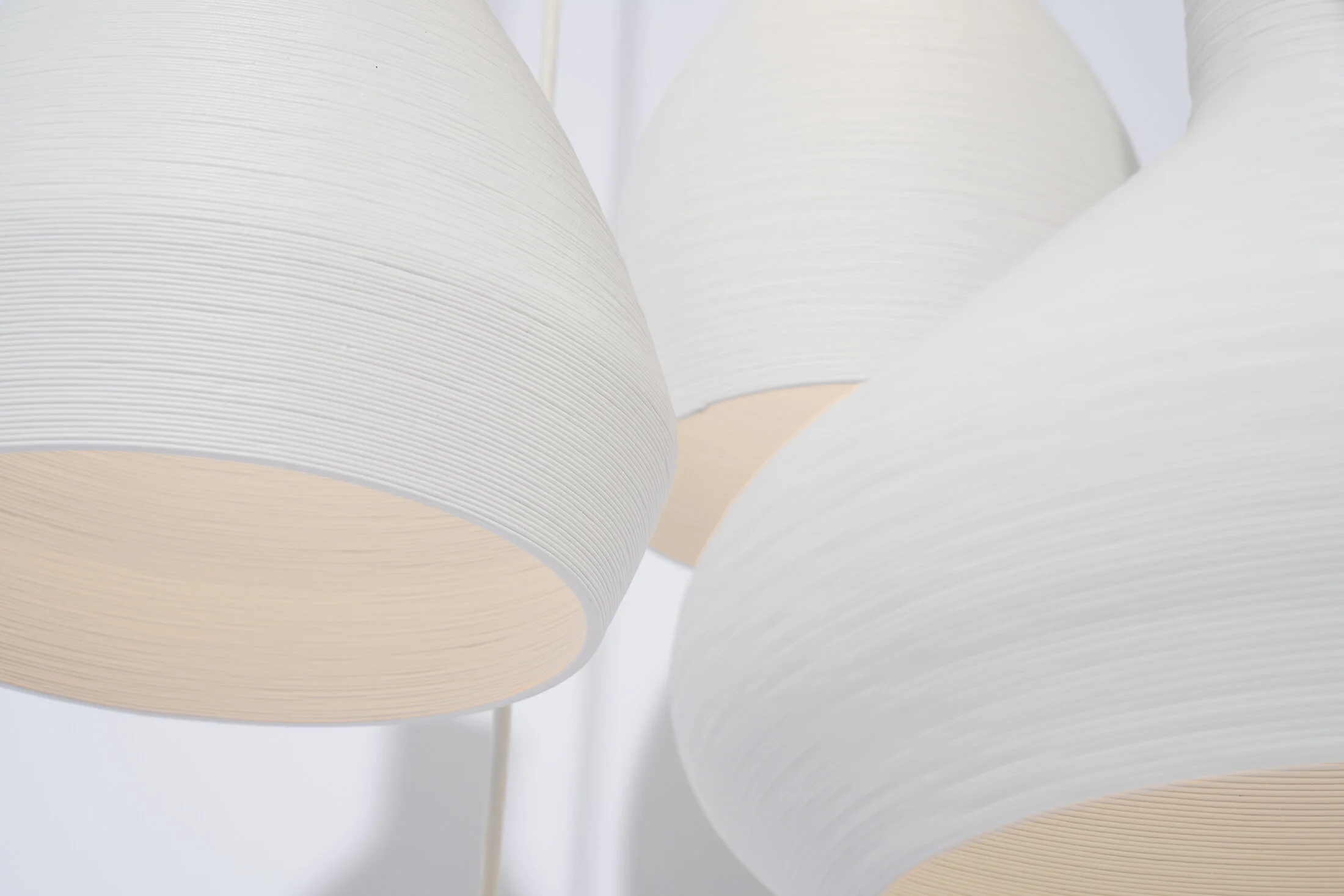
Coil Pendant
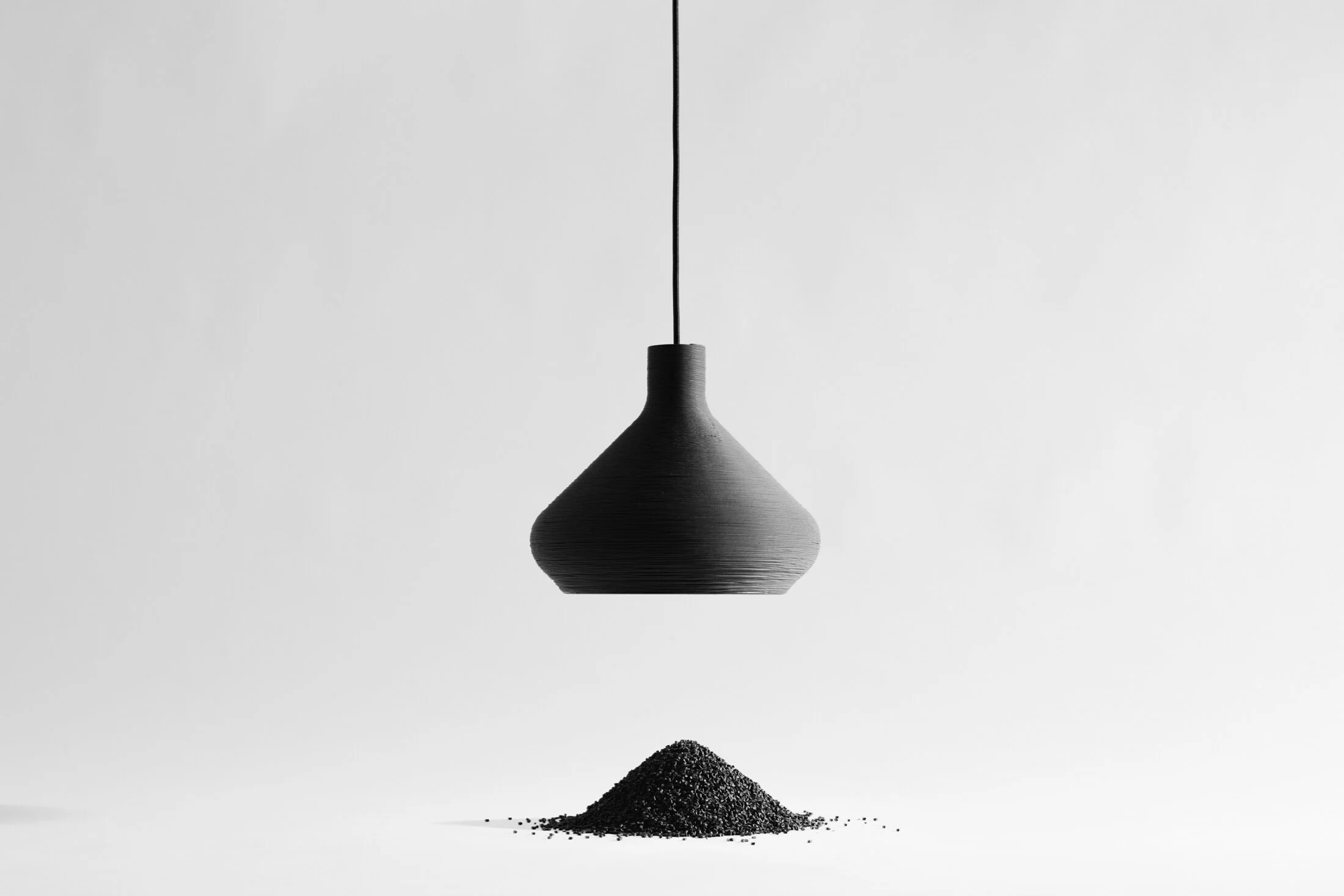
Product
A pendant light fixture I designed using recycled materials, algorithmic design, and additive manufacturing
Development: 2018–2020
Features / Awards:
Process Overview
Problem—Waste
We had an existing waste stream, at the time bound for a landfill or incineration. How could we divert that waste into something useful?
Over two years I developed a process to grind, optically sort, and compound our waste resin. I worked with several plastics industry partners, who were excited to work with us on a project they felt was both novel and environmentally impactful.
Prototyping / Production
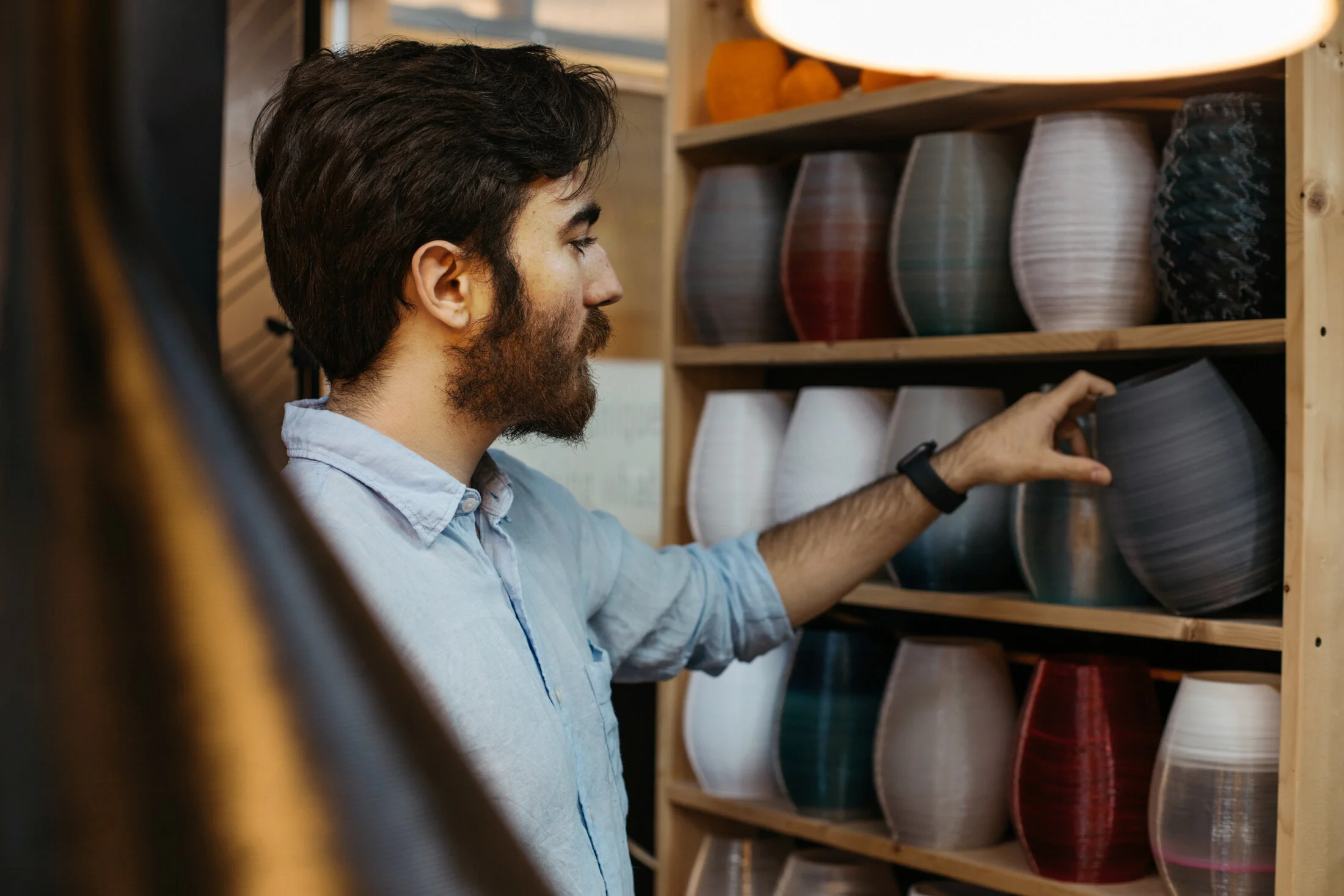
Recycling was a novel experience for me, and I had to learn many lessons along the way. Additive manufacturing allowed me to rapidly iterate on design concepts, new materials, etc. with a high degree of flexibility.
Form
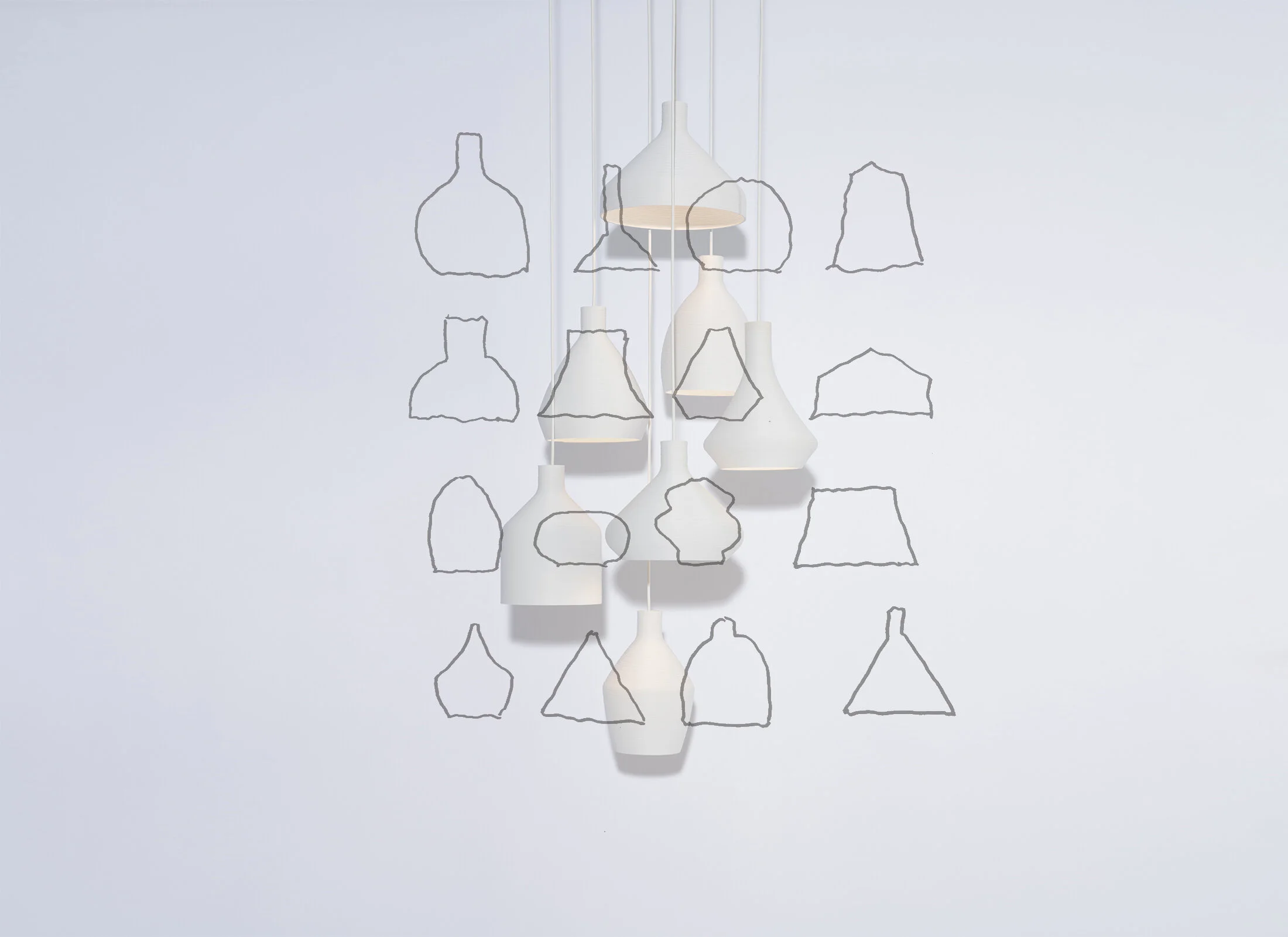
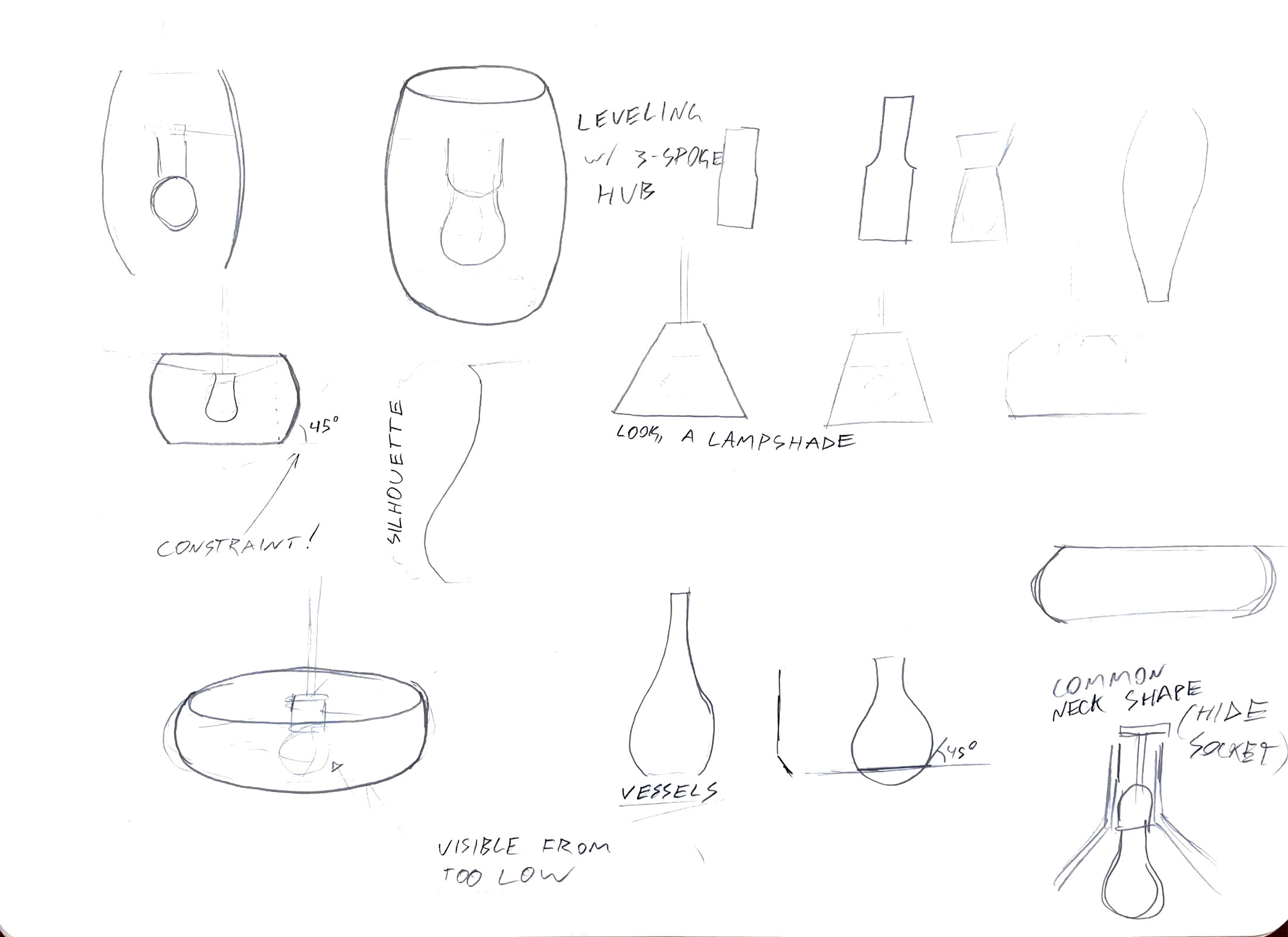
I experimented with some more dynamic forms, which the 3D printing process allows us to achieve. In the end, though, the goal was to highlight our recycled material. We therefore chose shapes with simple yet elegant silhouettes that would best celebrate our material story. These drew inspiration from ancient ceramic vessels, particularly coil pots and vases. The 3D printing process echoes this prehistoric pottery technique, creating a unique and pleasing texture.
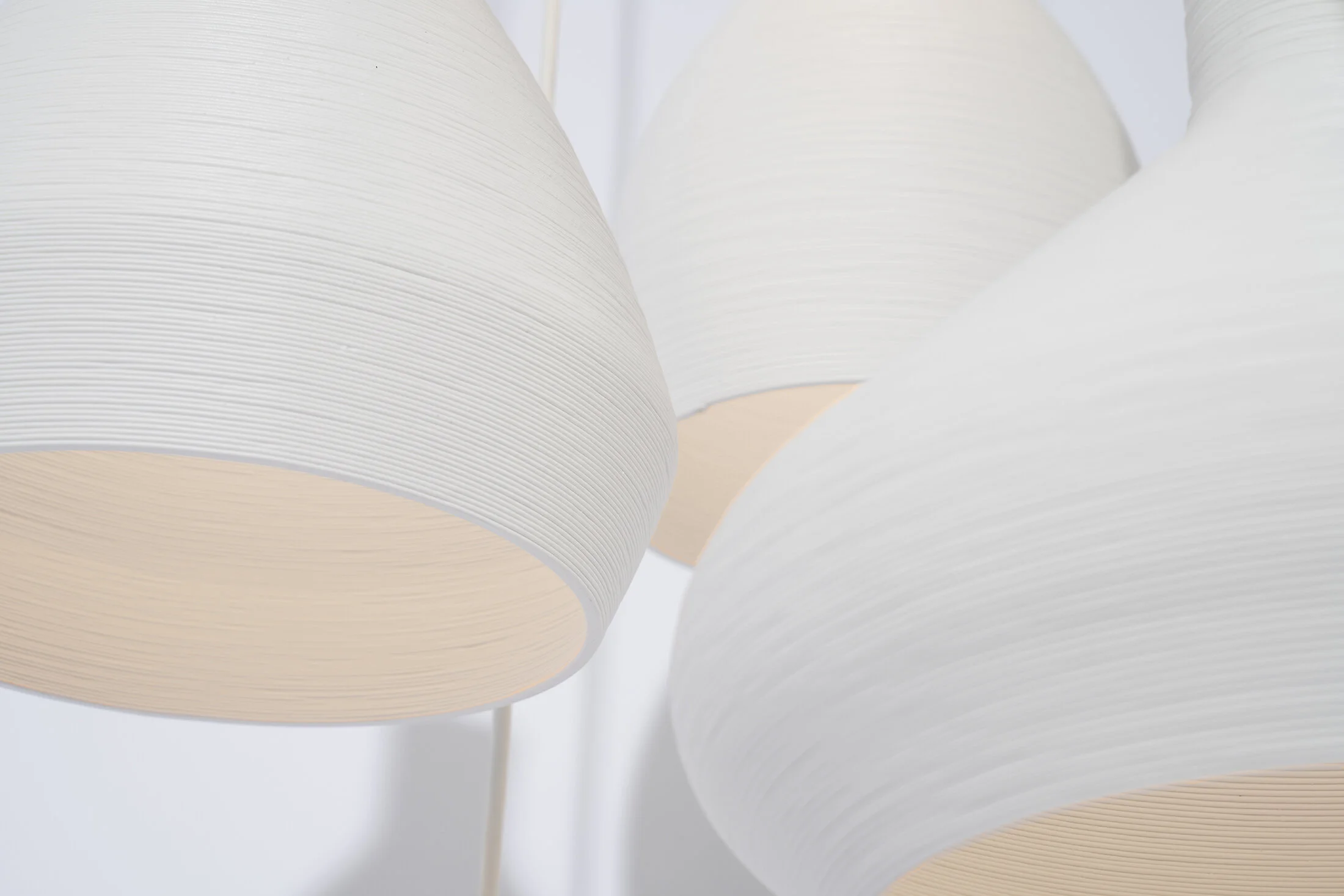
Texture
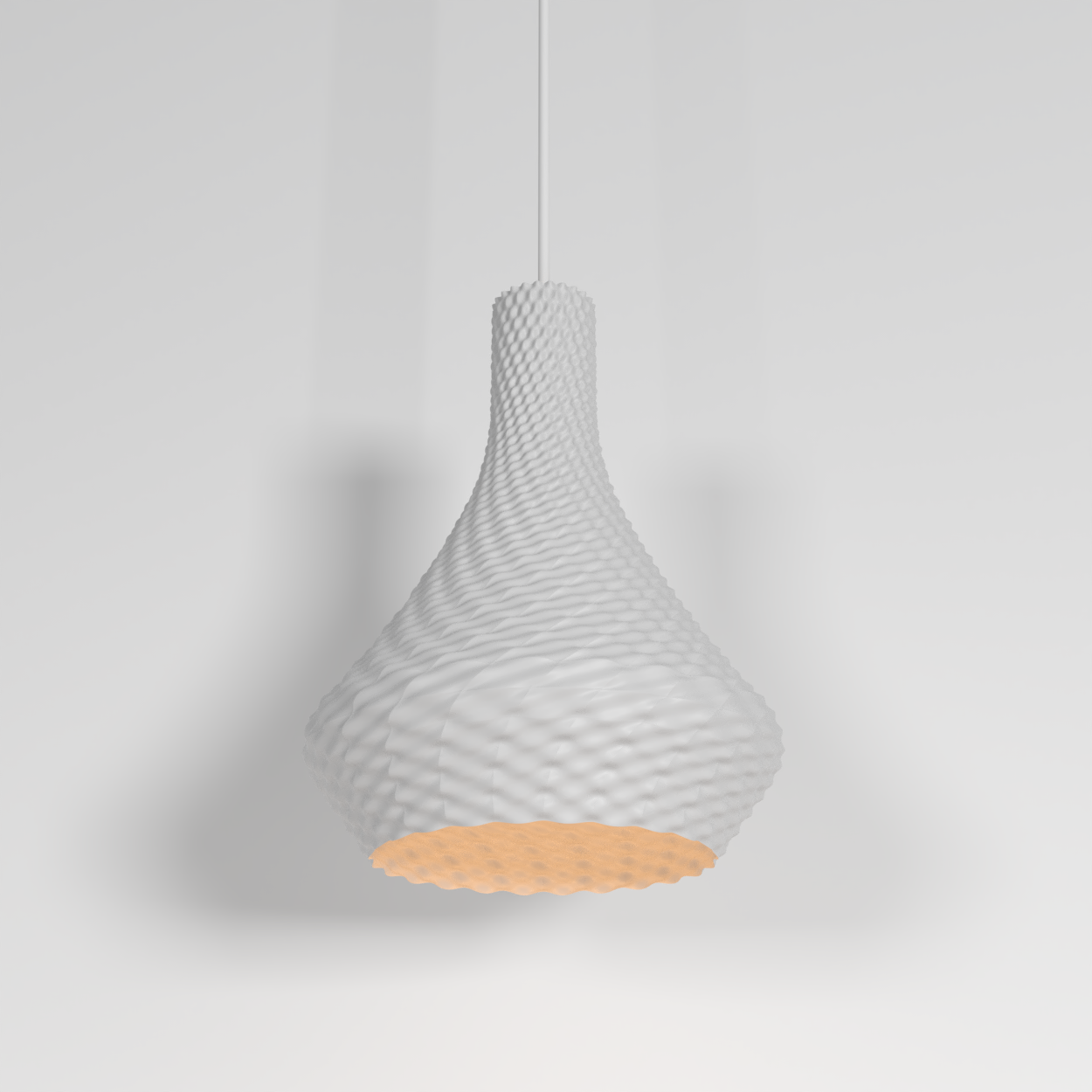
The goal of many 3D printed parts is to be as smooth as possible. With Coil, however, I found that a slightly textured surface helped create a more “handmade” feel, which again evokes pottery and adds visual interest to the product. I experimented with multiple algorithmically generated textures using Grasshopper and Java.
Material Development
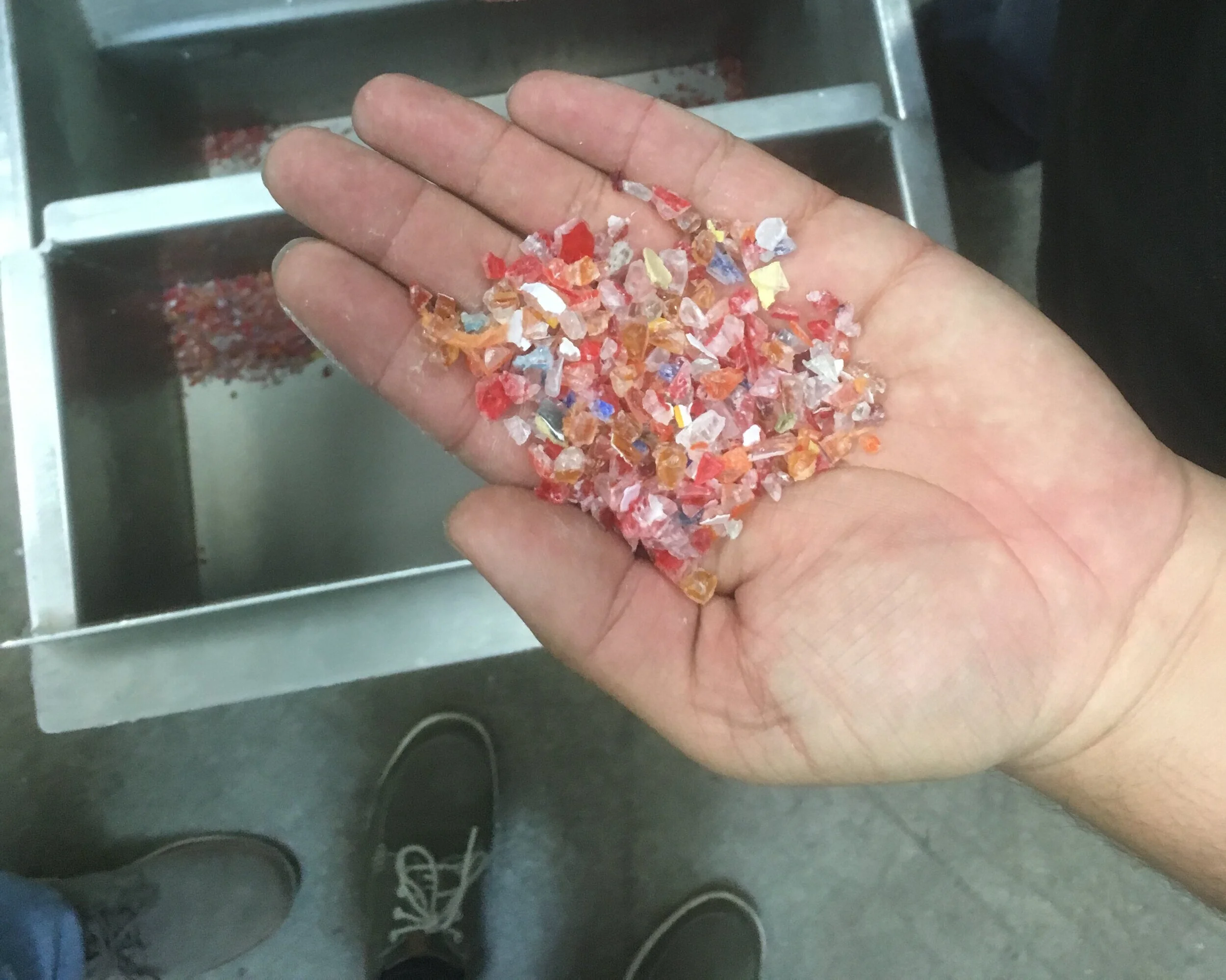
Unsorted, granulated scrap resin
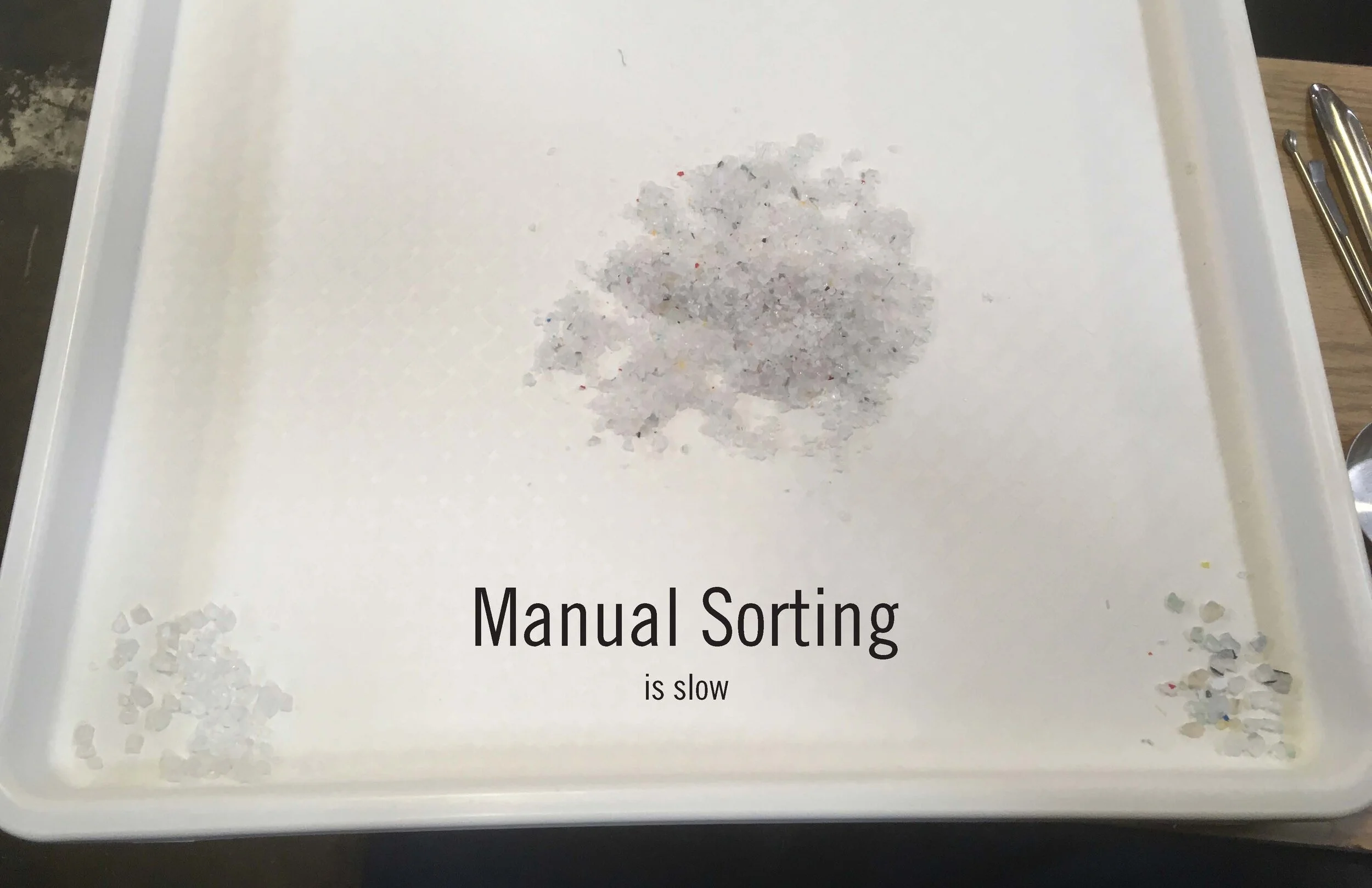
Due to the nature of the waste stream, neither pre-sorting nor manual sorting was an option
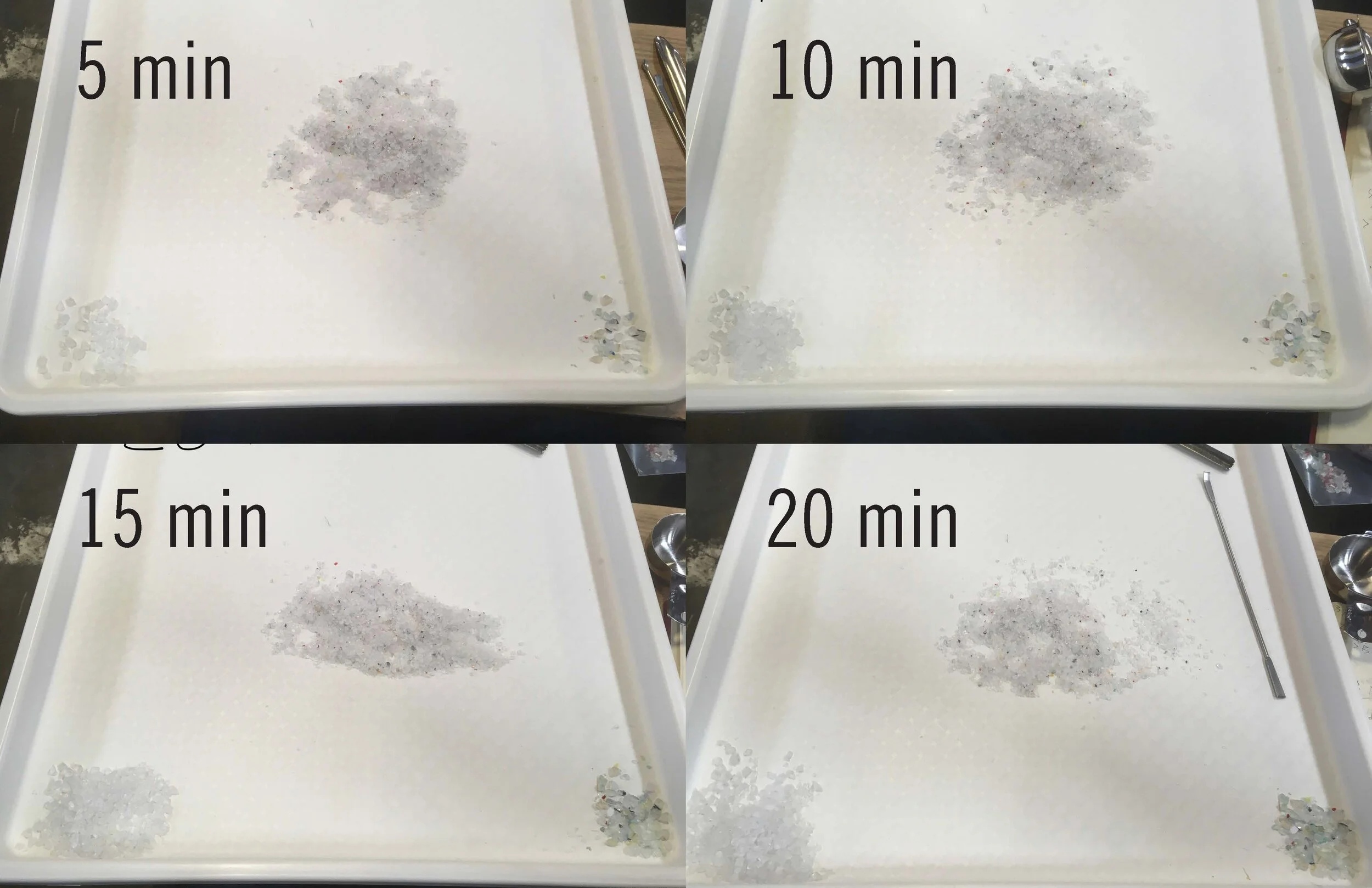
Manual sorting the granules is especially unfeasible at scale
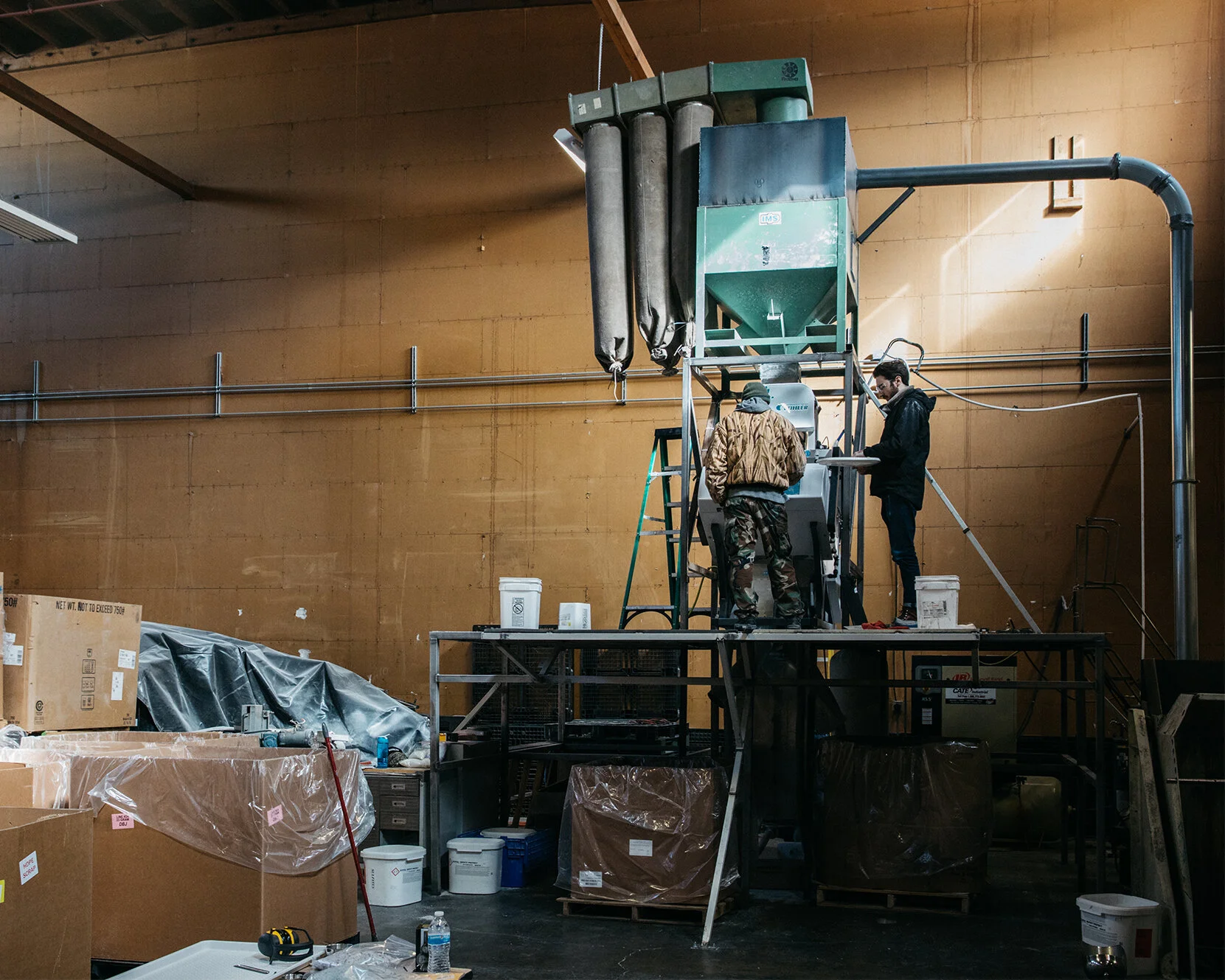
Enter the optical sorter, which allows hundreds of pounds of resin to be sorted in minutes
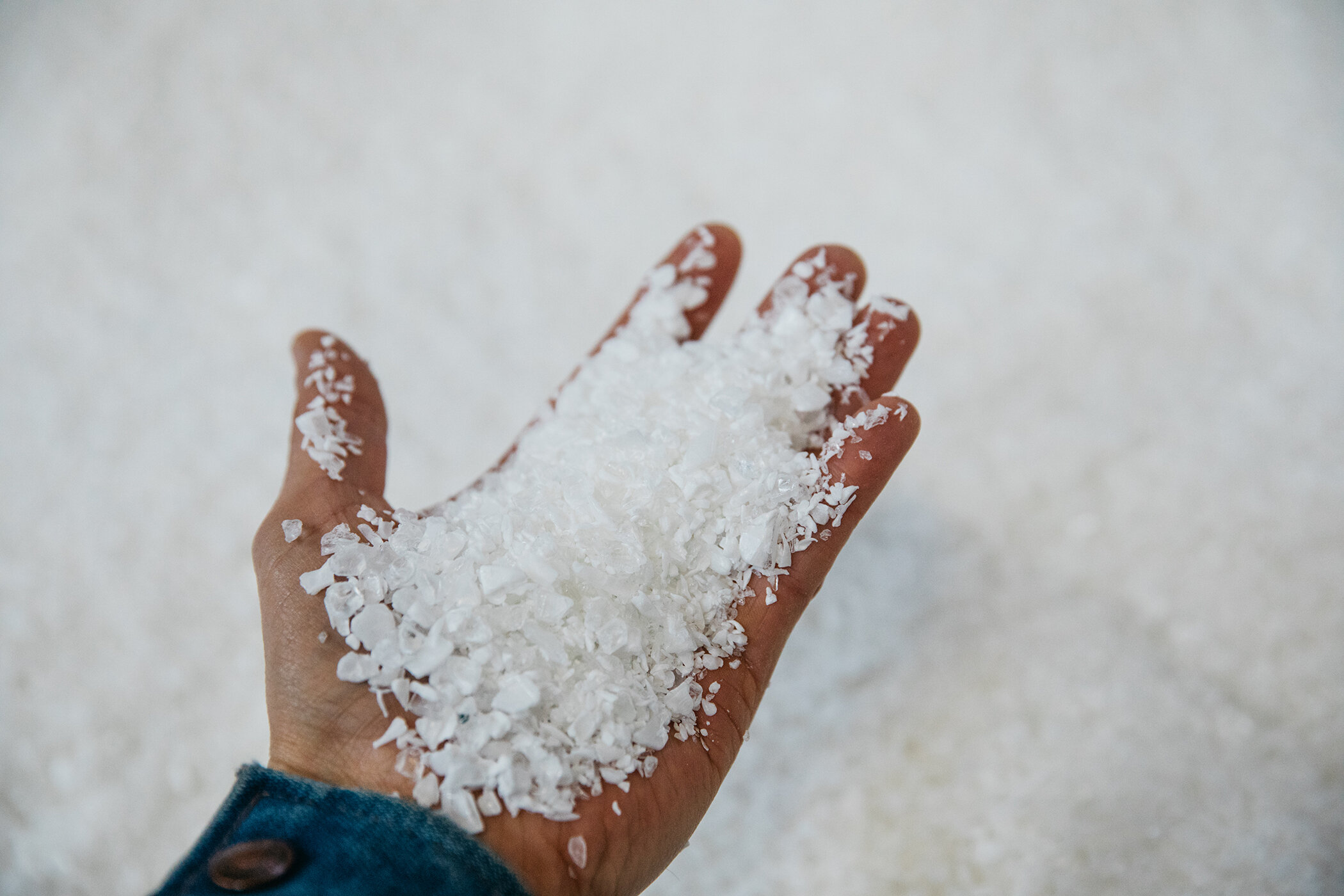
The sort will never be perfect, but I worked with others to reduce inclusions to an acceptable level
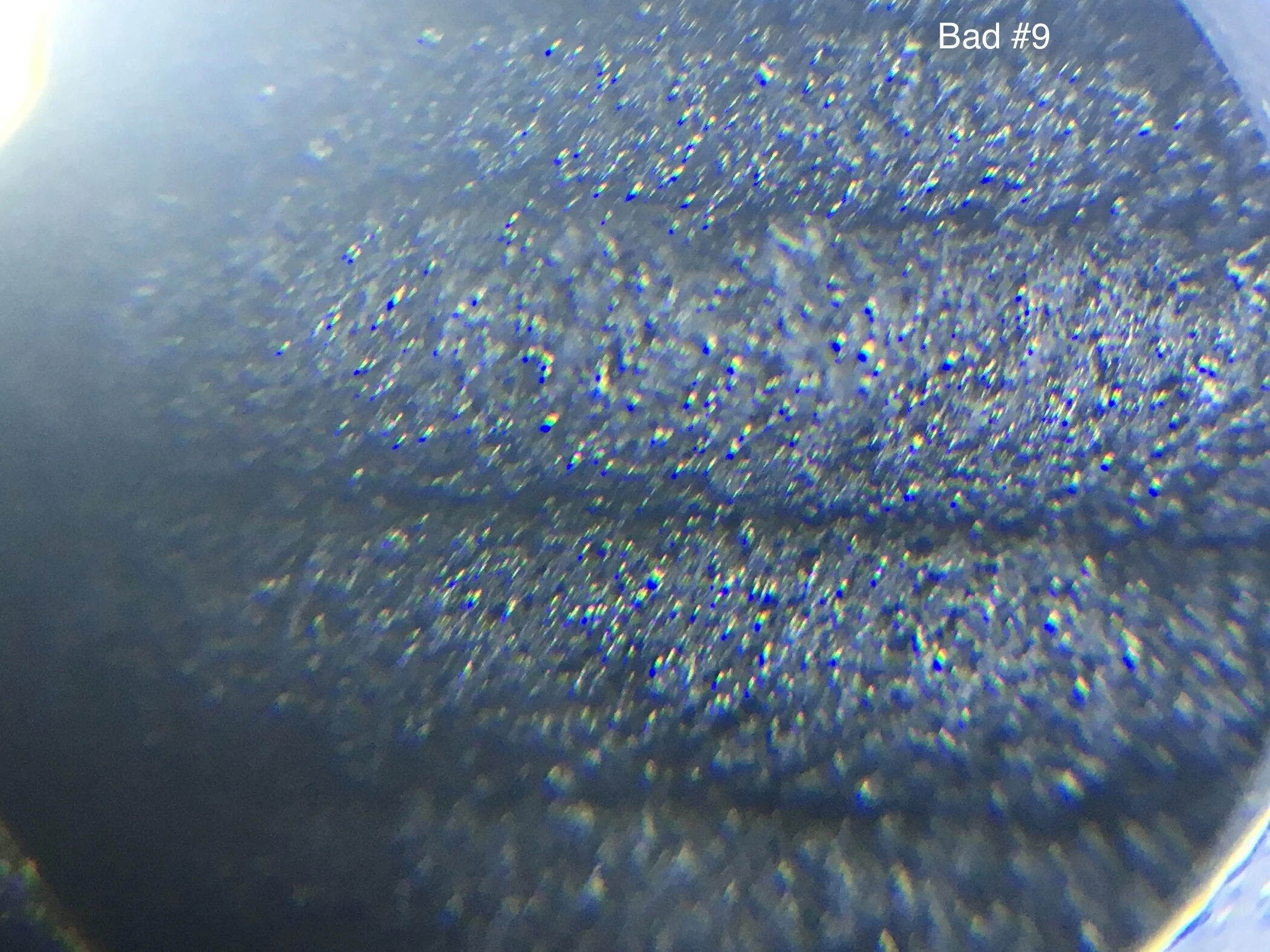
Too rough! Using a digital microscope allowed me to diagnose and describe material issues
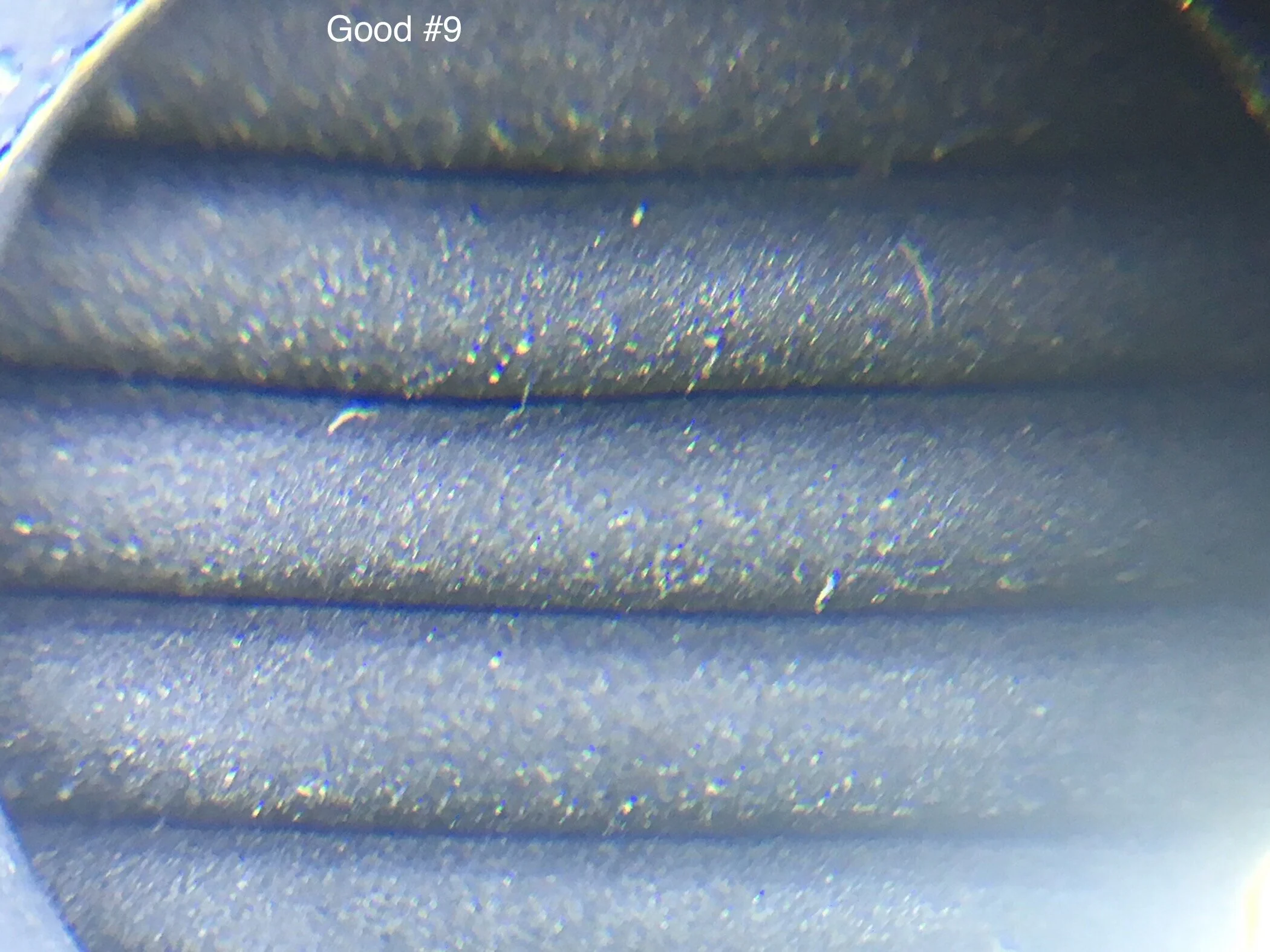
Target material under microscope
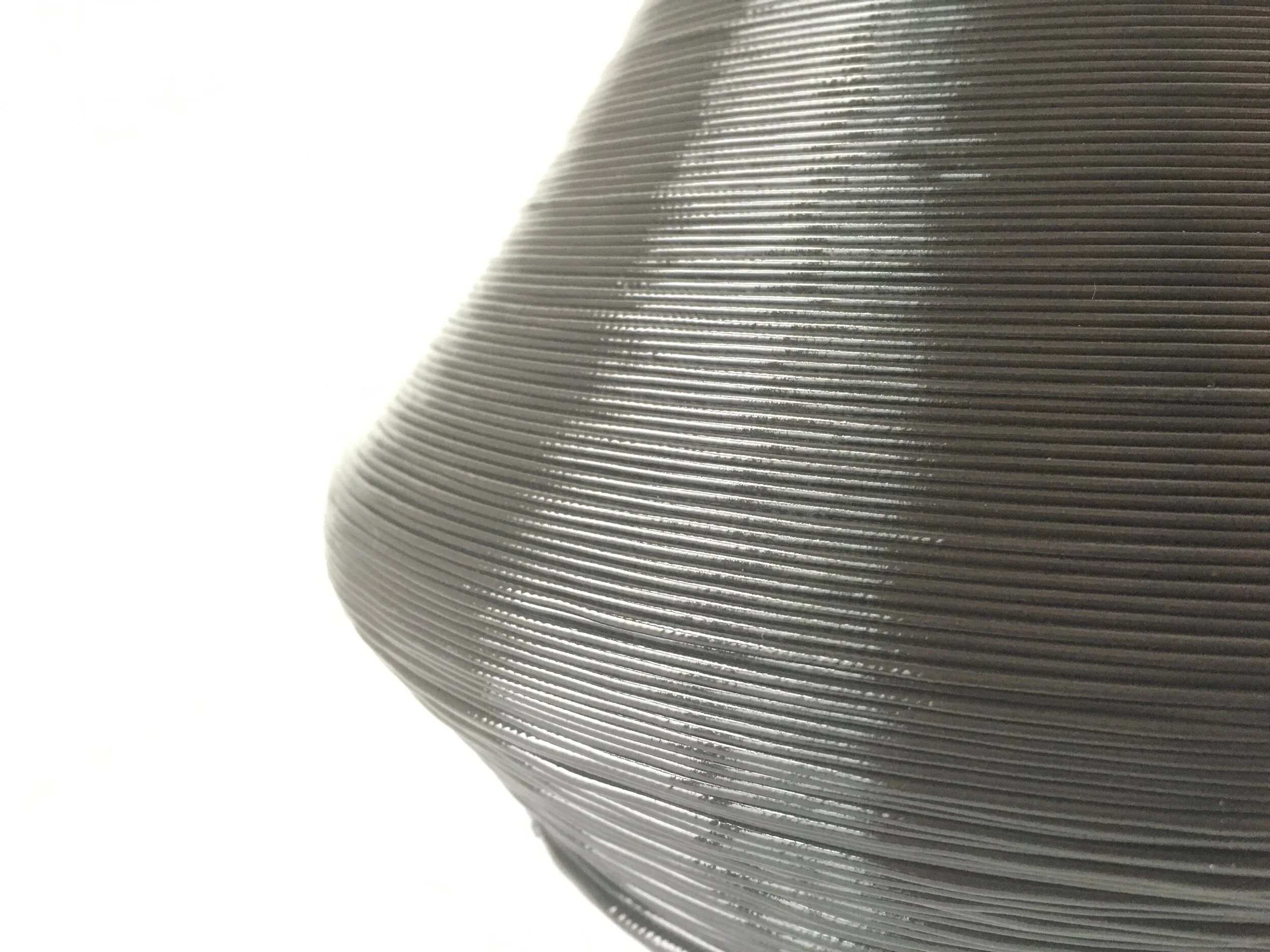
Too shiny
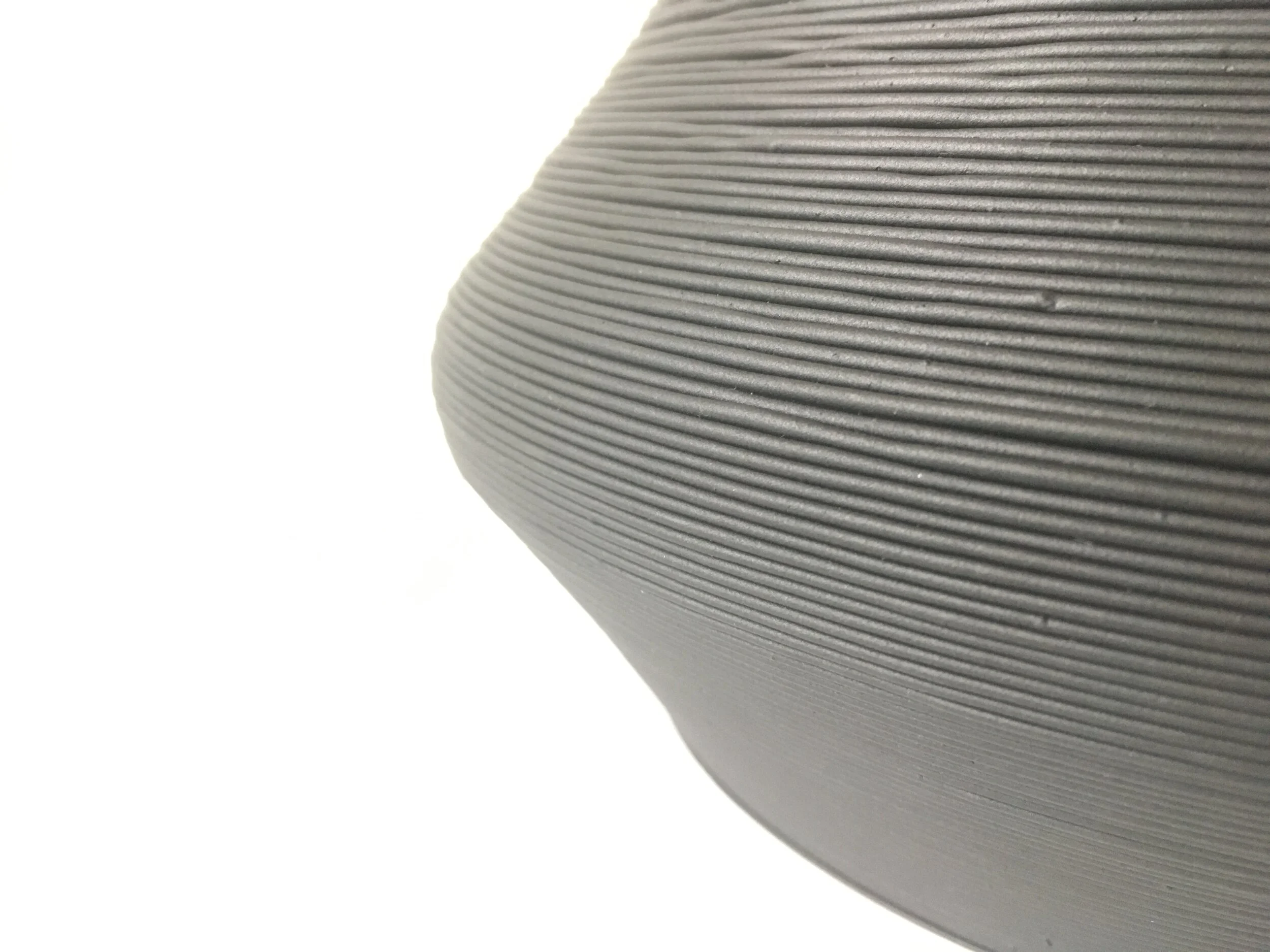
Target, matte material
From Prototype to Production
Additive manufacturing benefits:
Low entry cost
Extremely flexible—no tooling required
Rapid prototyping and production in a single process ensures consistency from planning to execution
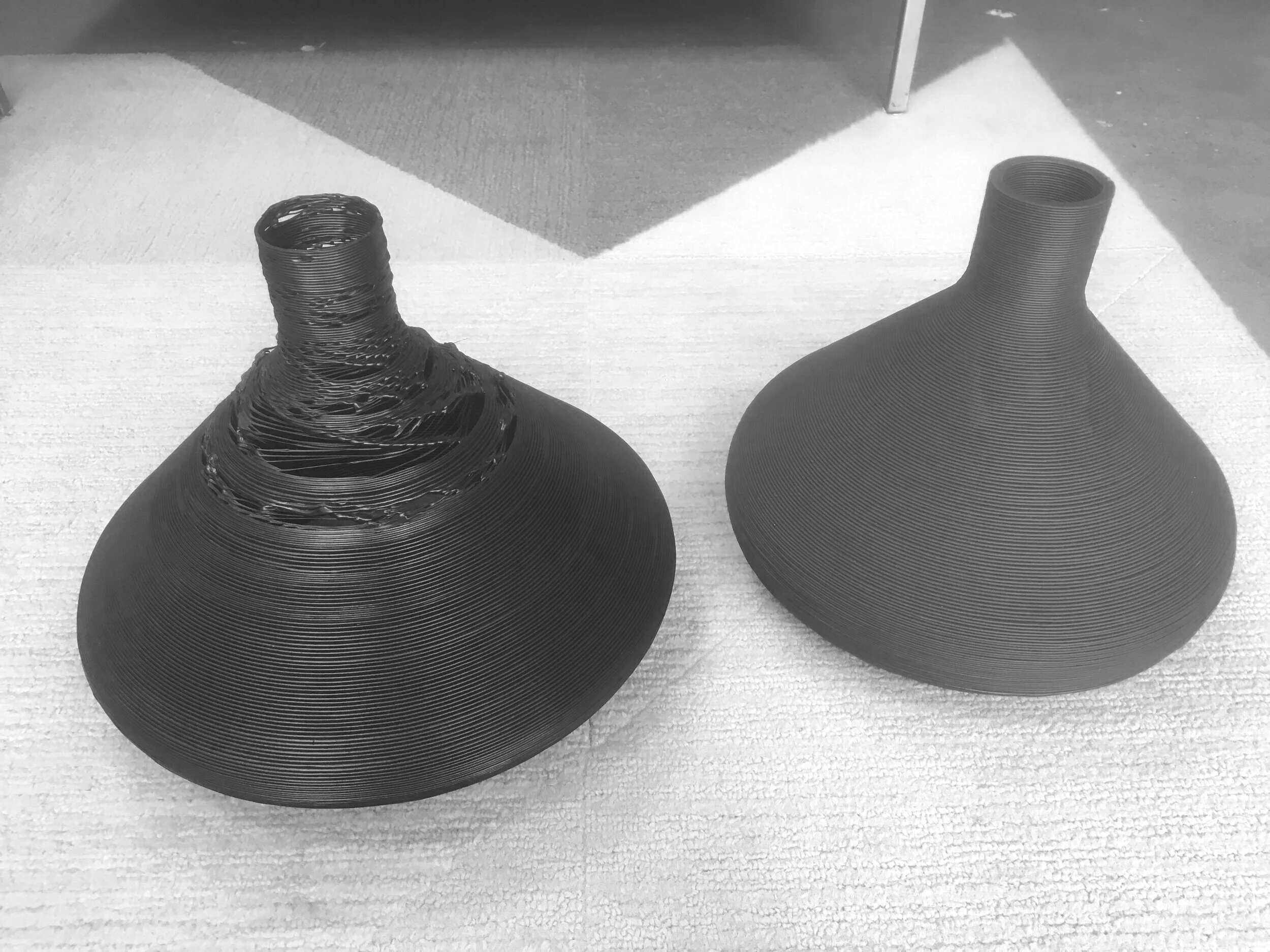
Too fast
Insufficient drying
Production reference
Form + Scale
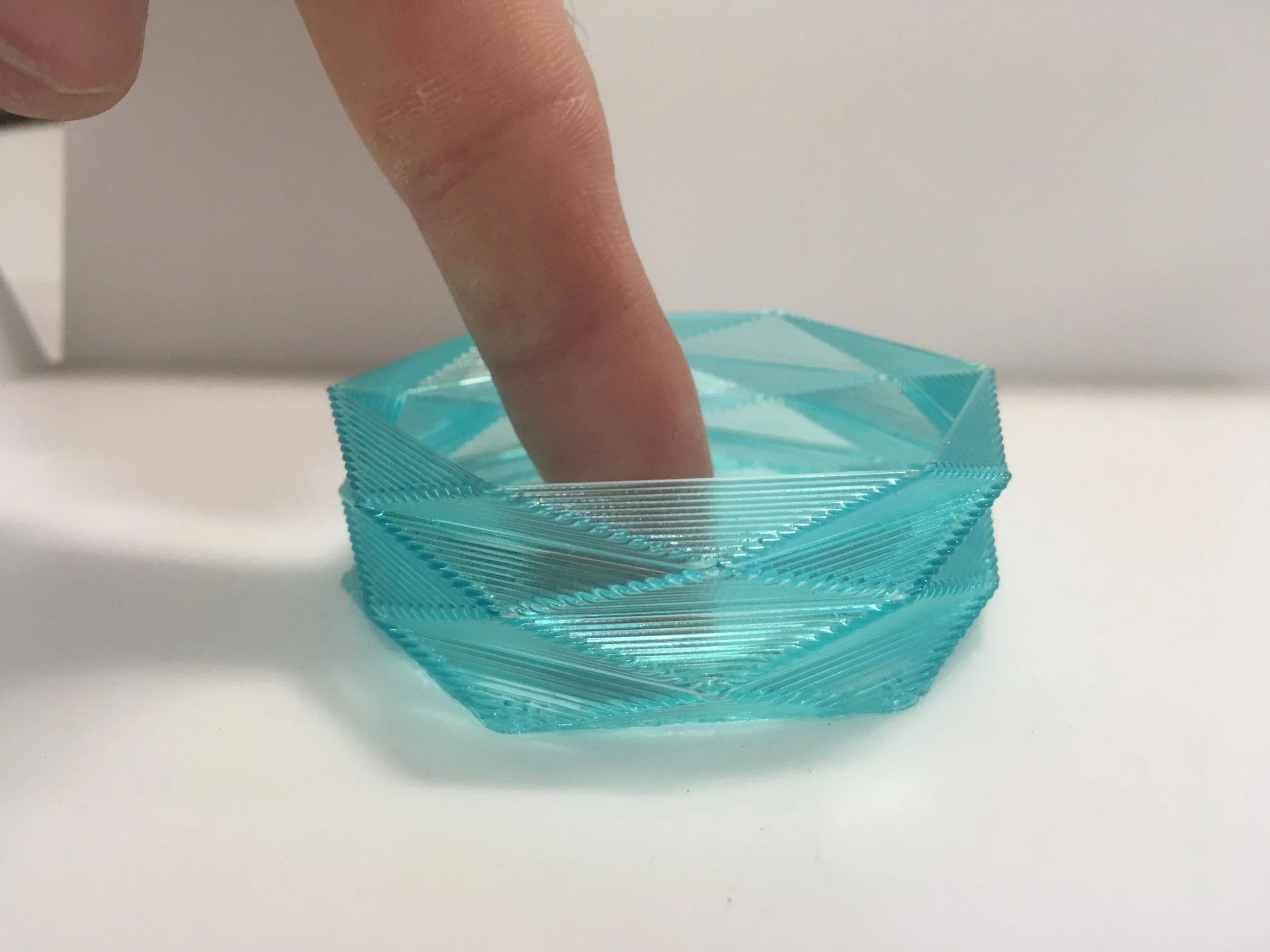
First Steps
I started prototyping using a desktop 3D printer. This stage was critical because it allowed us to understand the promise and limitations of the technology. It was during this initial exploration that I started using Java and Grasshopper to generate forms that would not be achievable with a traditional CAD > slicer workflow.
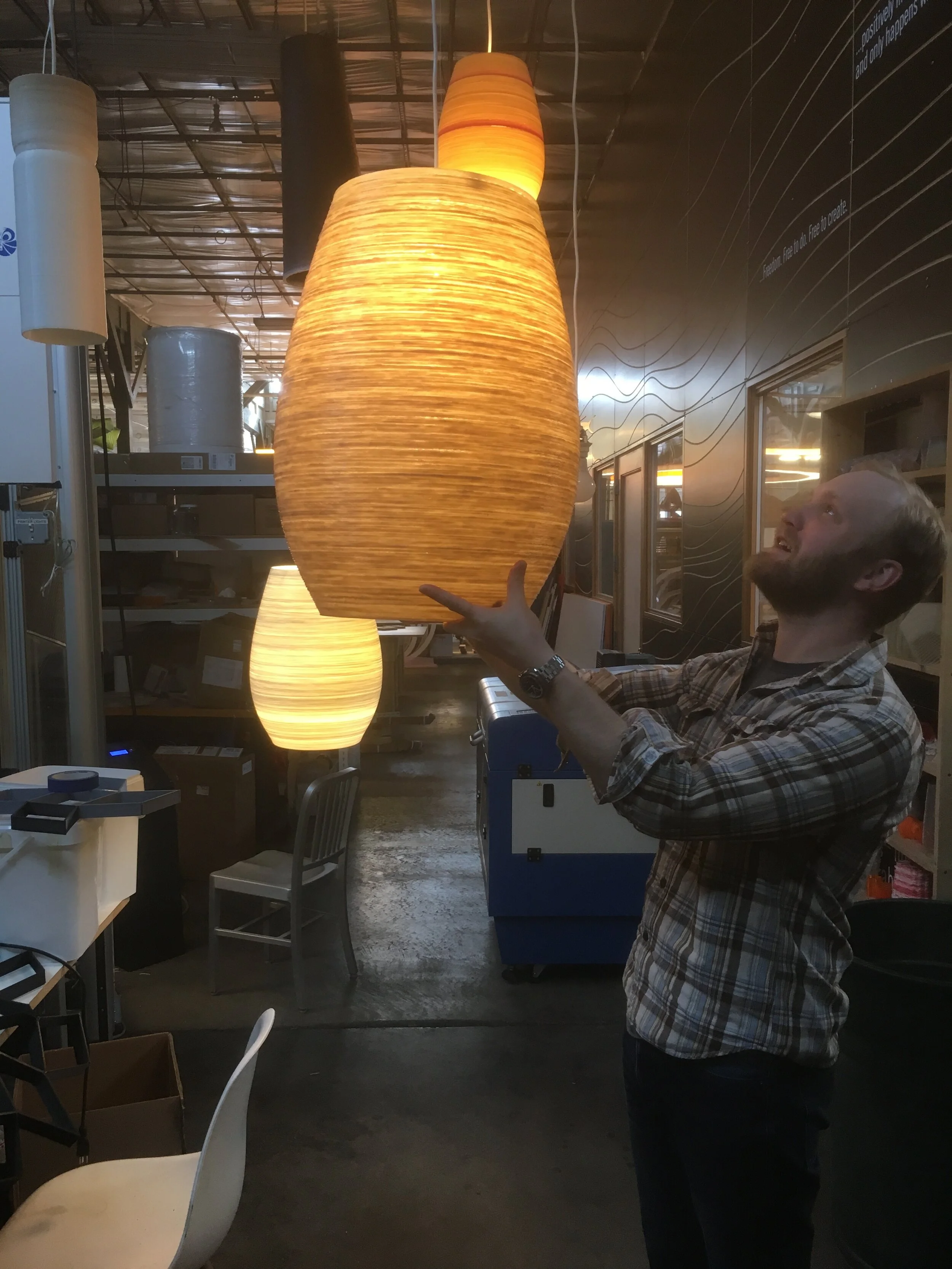
Go Big
However, printing at this scale is unremarkable, even trite. I wanted to create larger objects than can be produced by a typical 3D printer.
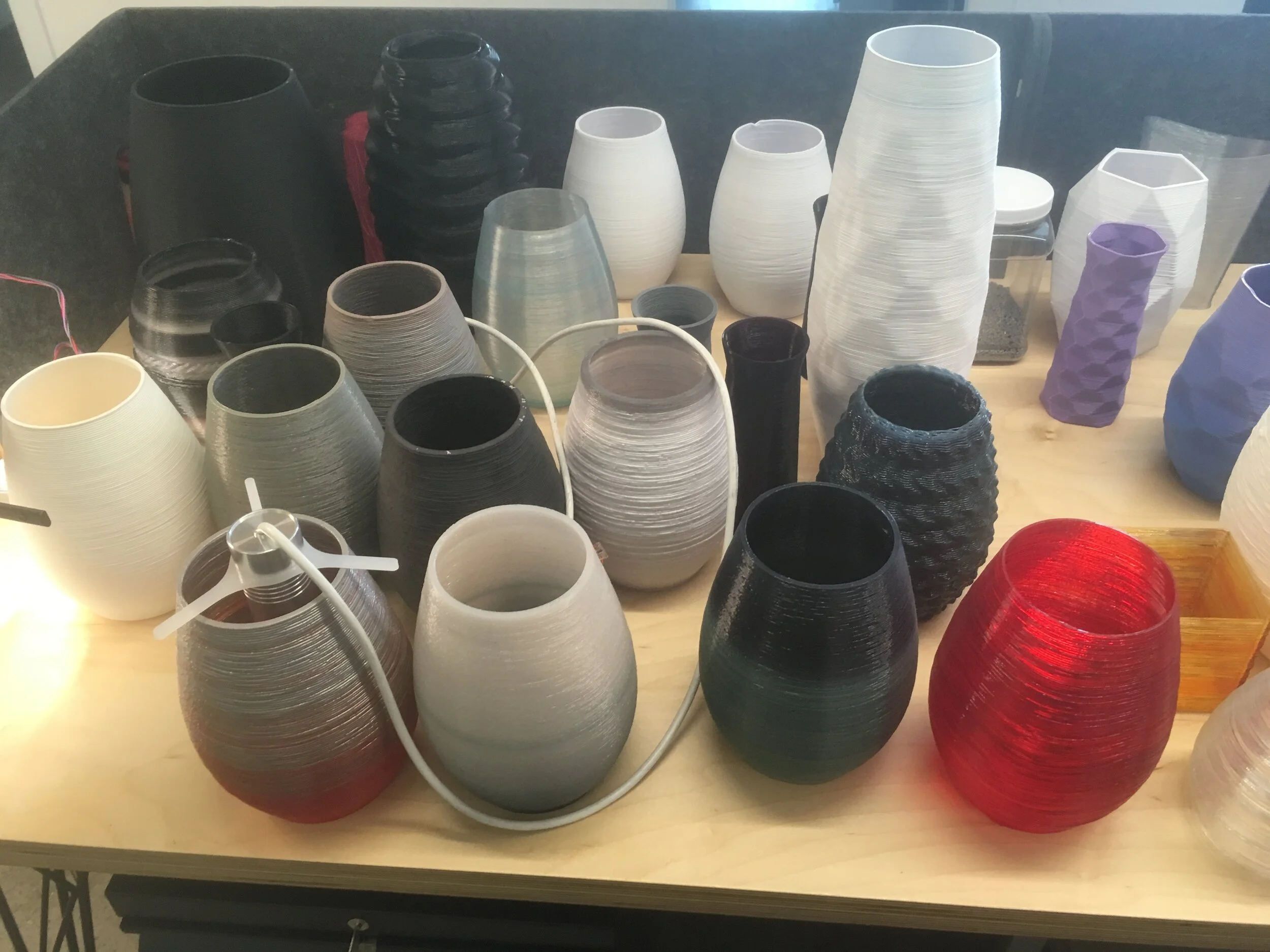
Various colors and textures on a consistent reference form. Note some of the more adventurous textures / colors. Several of these prints used unpelletized chips, ground from recycled scrap.
Radius Comparison
Neck Types Comparison
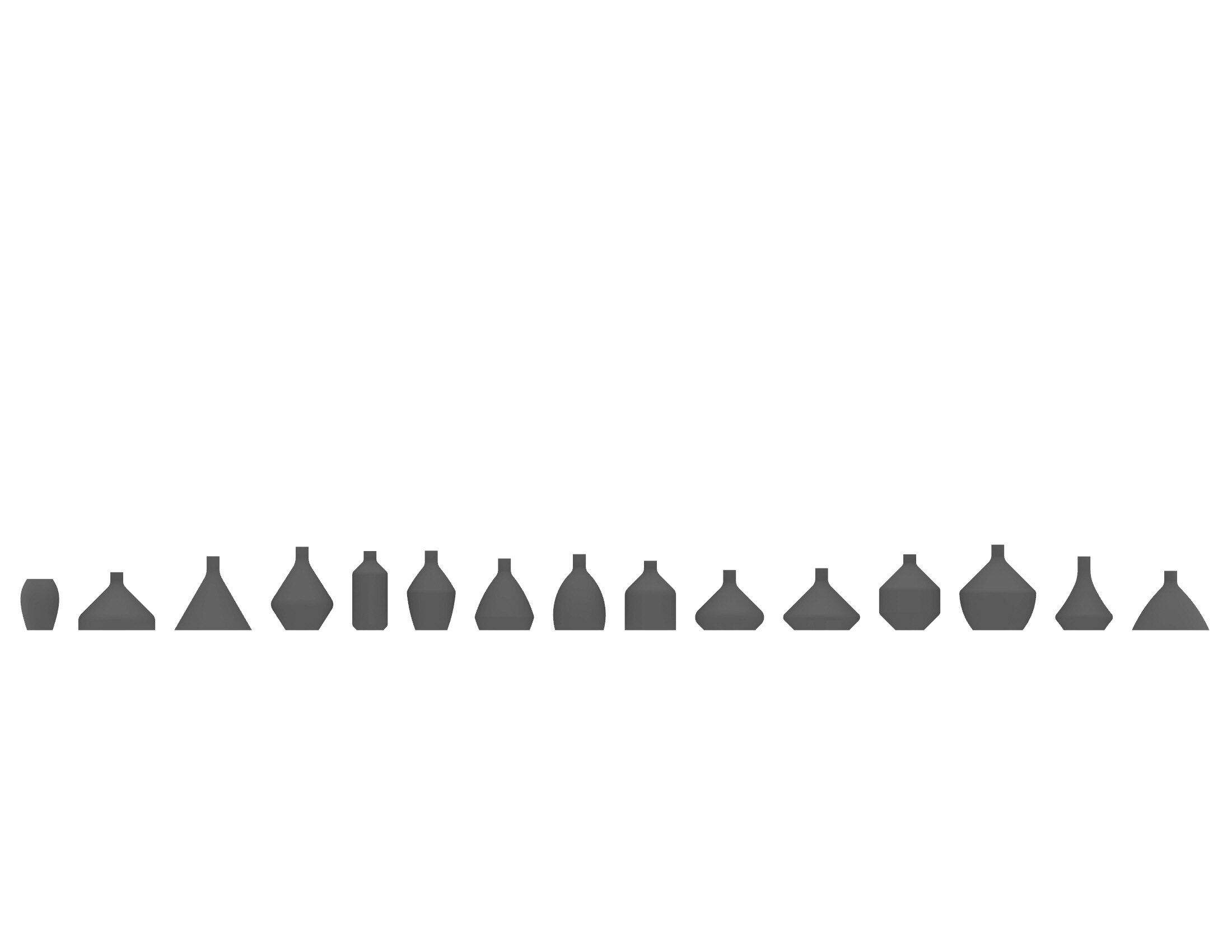
Hundreds of forms inspired by ceramic vessels; eventually refined to 7 final shapes
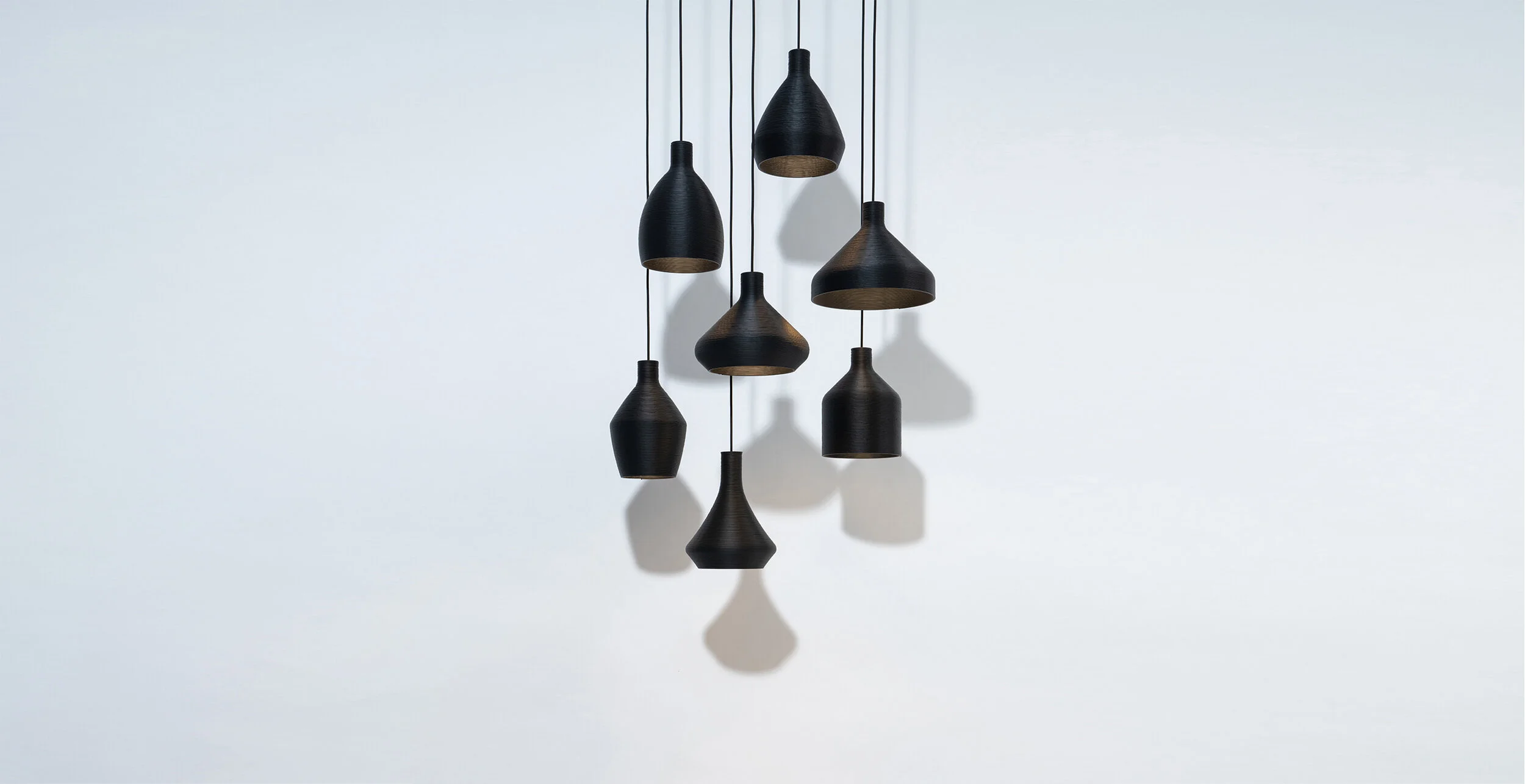
Final Shapes
Further Development
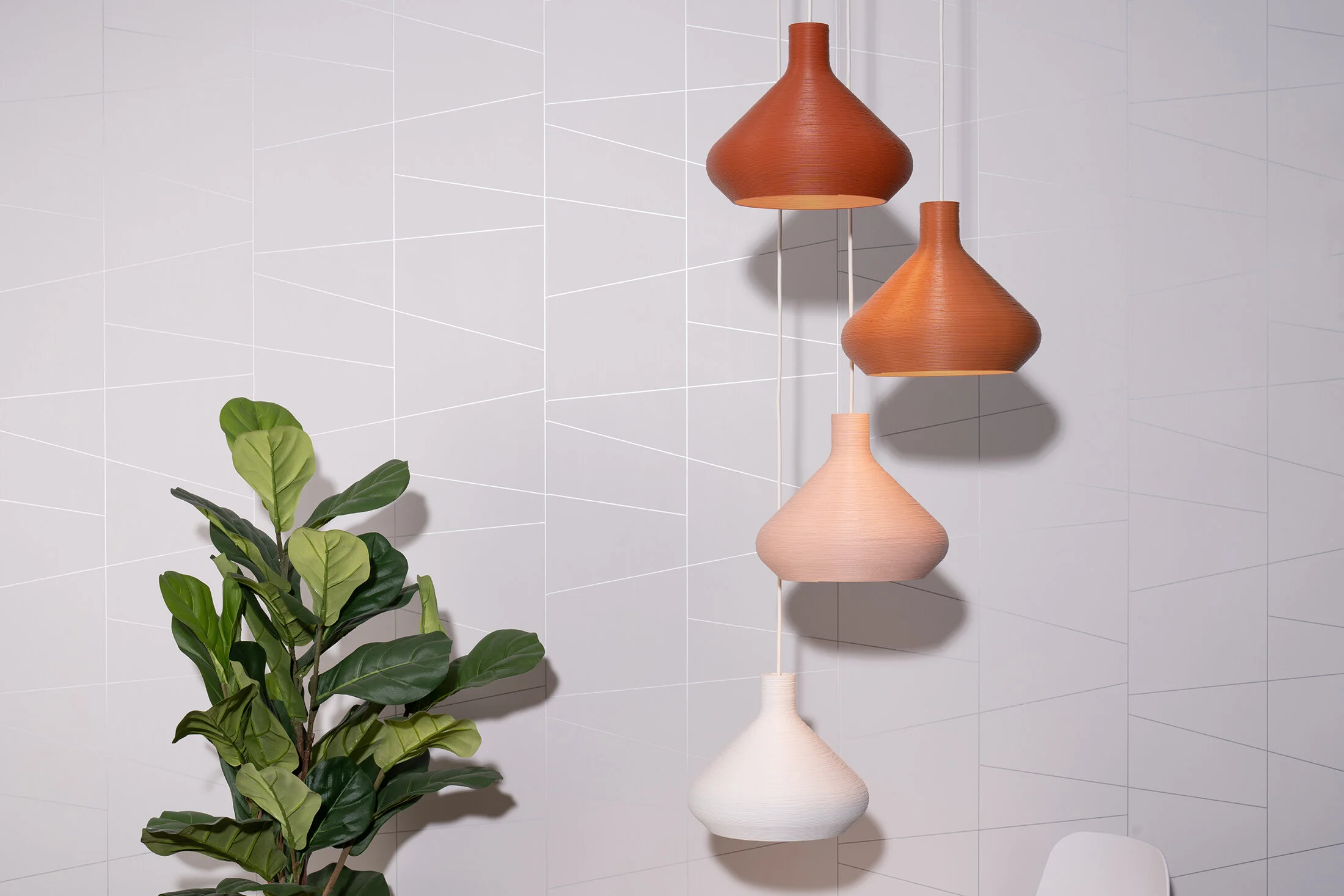
New Colors
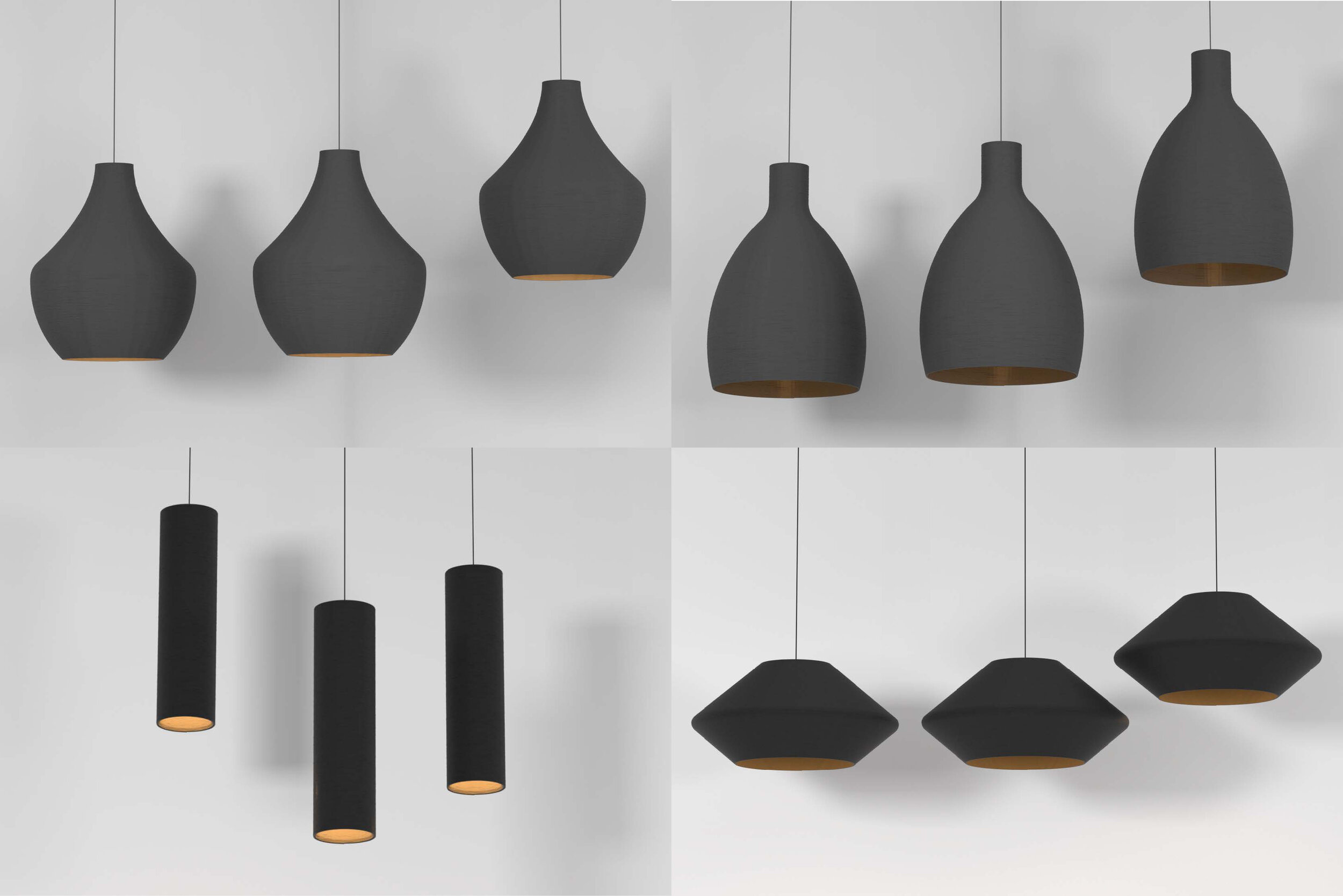
New Shapes
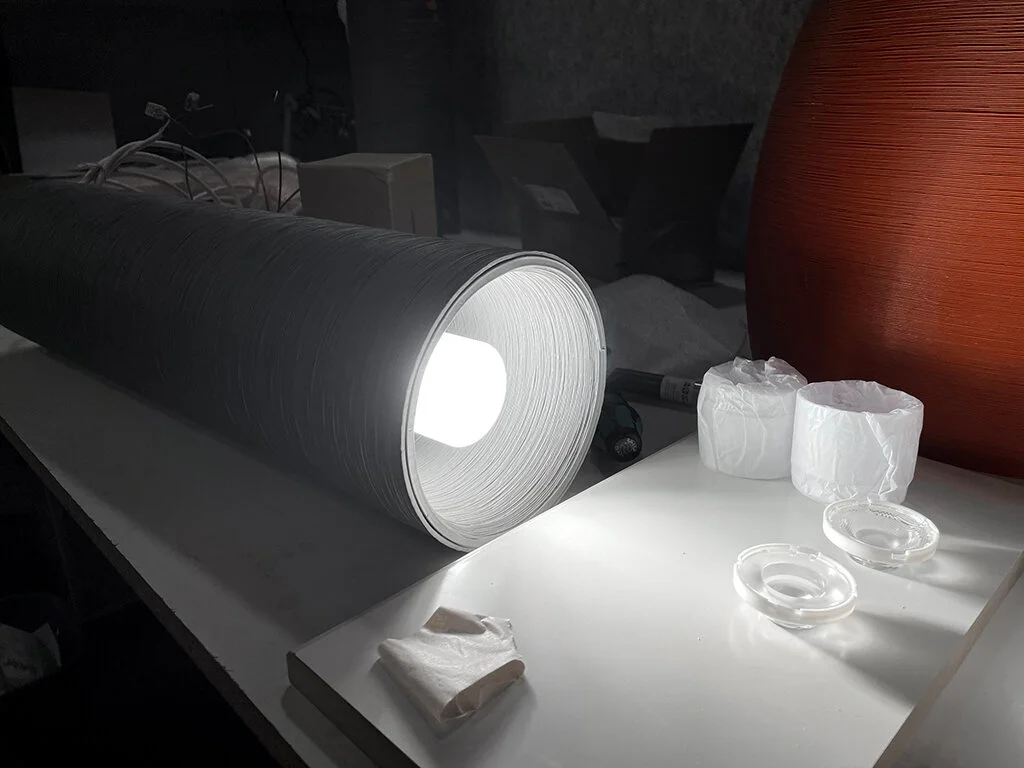
Performance light core
Questions?
I love talking about this work. Drop me a line any time you want to chat.